This Is Not a Competition
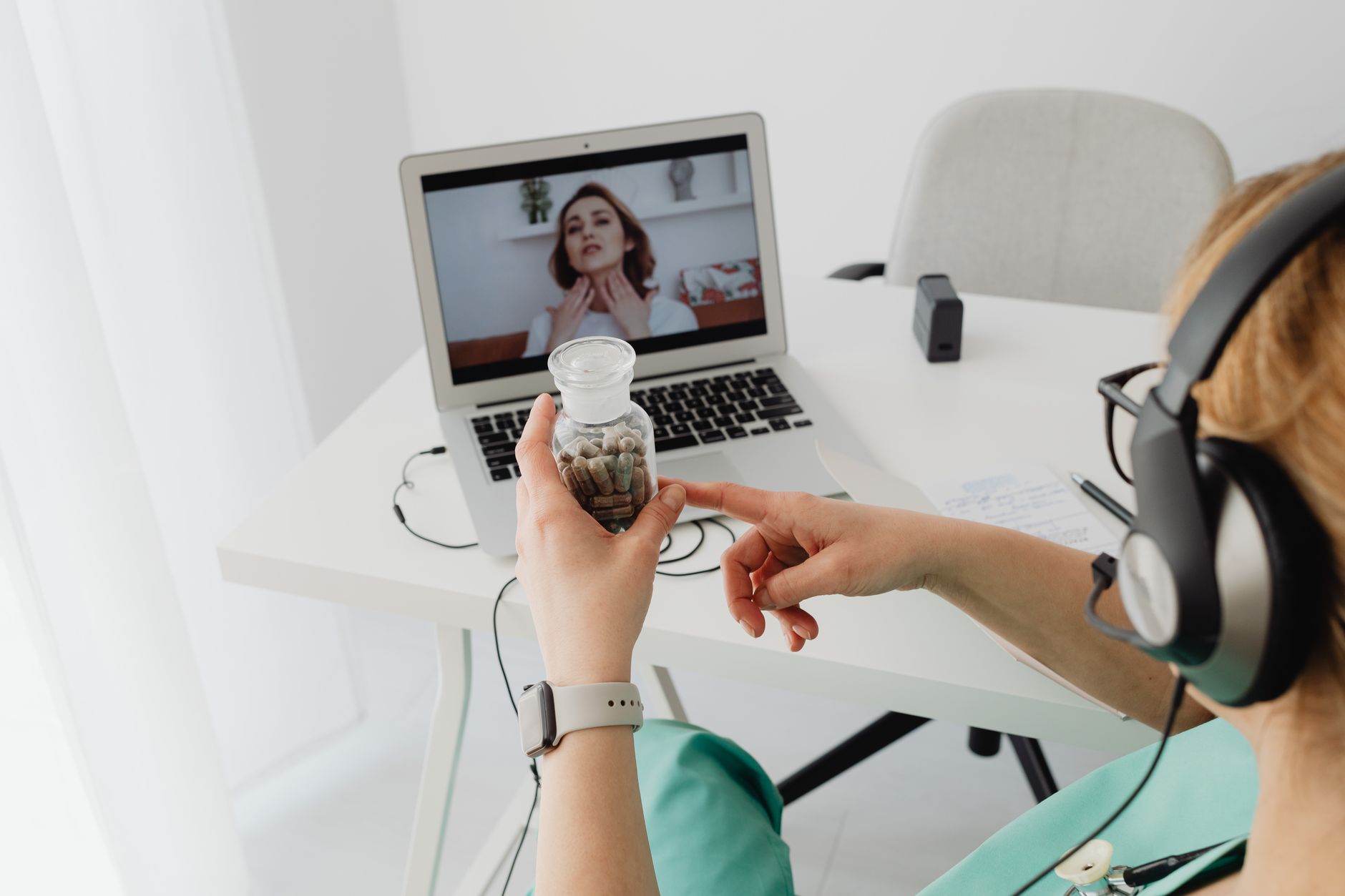
The framing of AI versus doctors misunderstands how these tools actually fit into health. Clinicians and AI health tools are not competing for the same job. They are suited to completely different tasks. Understanding which is which makes both more useful and prevents the category of mistake that comes from using the wrong tool for a given question.
Where AI Health Tools Excel
AI health tools are genuinely strong at interpretation tasks: translating lab results from clinical notation into plain language, explaining what a medical record says in terms you understand, surfacing patterns in wearable data, and helping you organize and understand the information your healthcare system generates about you. These are tasks that currently fall into a gap — clinicians do not have time to walk through every lab value, patient portals do not include explanations, and generic health websites give you population-level information that may or may not apply to your situation.


AI health tools are also strong at preparation — helping you formulate specific questions before an appointment, understand what a referral is for, or know what a medication on your discharge summary is treating. A patient who arrives at an appointment already understanding their recent lab trends and the clinical terms in their last visit note covers more ground in less time.
Where Your Clinical Team Is Irreplaceable
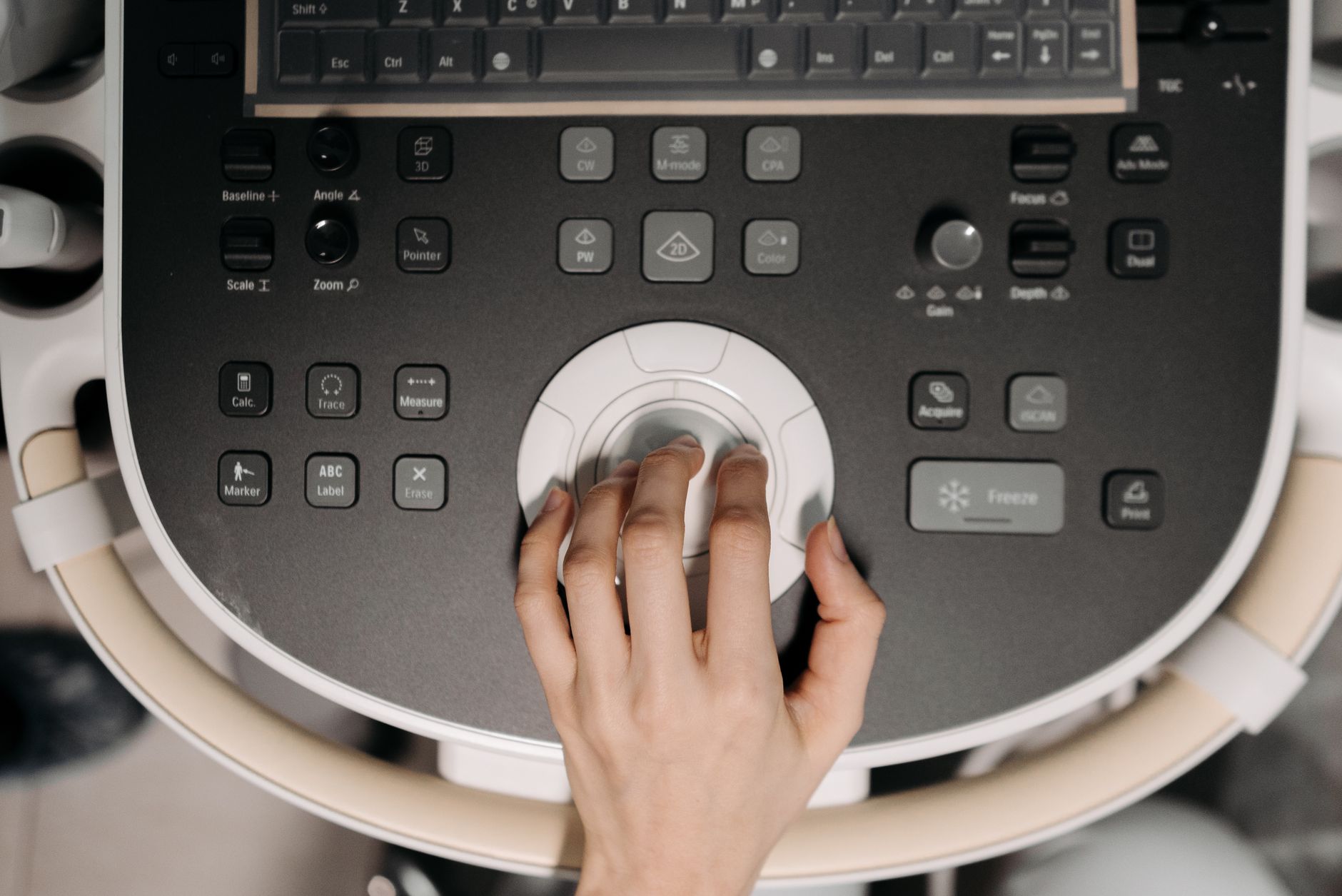
Clinical judgment requires physical examination, real-time assessment, and the integration of information that cannot be captured in a data file. A clinician can detect a heart murmur, assess gait, observe skin color, and ask the follow-up question that changes everything. Diagnosis — forming a conclusion about what is causing a constellation of symptoms — requires clinical reasoning applied to a living patient. So does treatment: deciding which medication to prescribe, what dose is appropriate, and how to manage interactions with other conditions.
AI does not examine you. It cannot form a diagnosis. It cannot prescribe or treat. Any tool that suggests otherwise is operating outside its competence.
The Right Mental Model
Think of AI health tools as a preparation and comprehension layer that sits around your clinical care — not inside it. FreeHealth.ai reads your health data and helps you understand what it says. Your clinical team decides what to do about it. Both roles matter. Neither replaces the other.