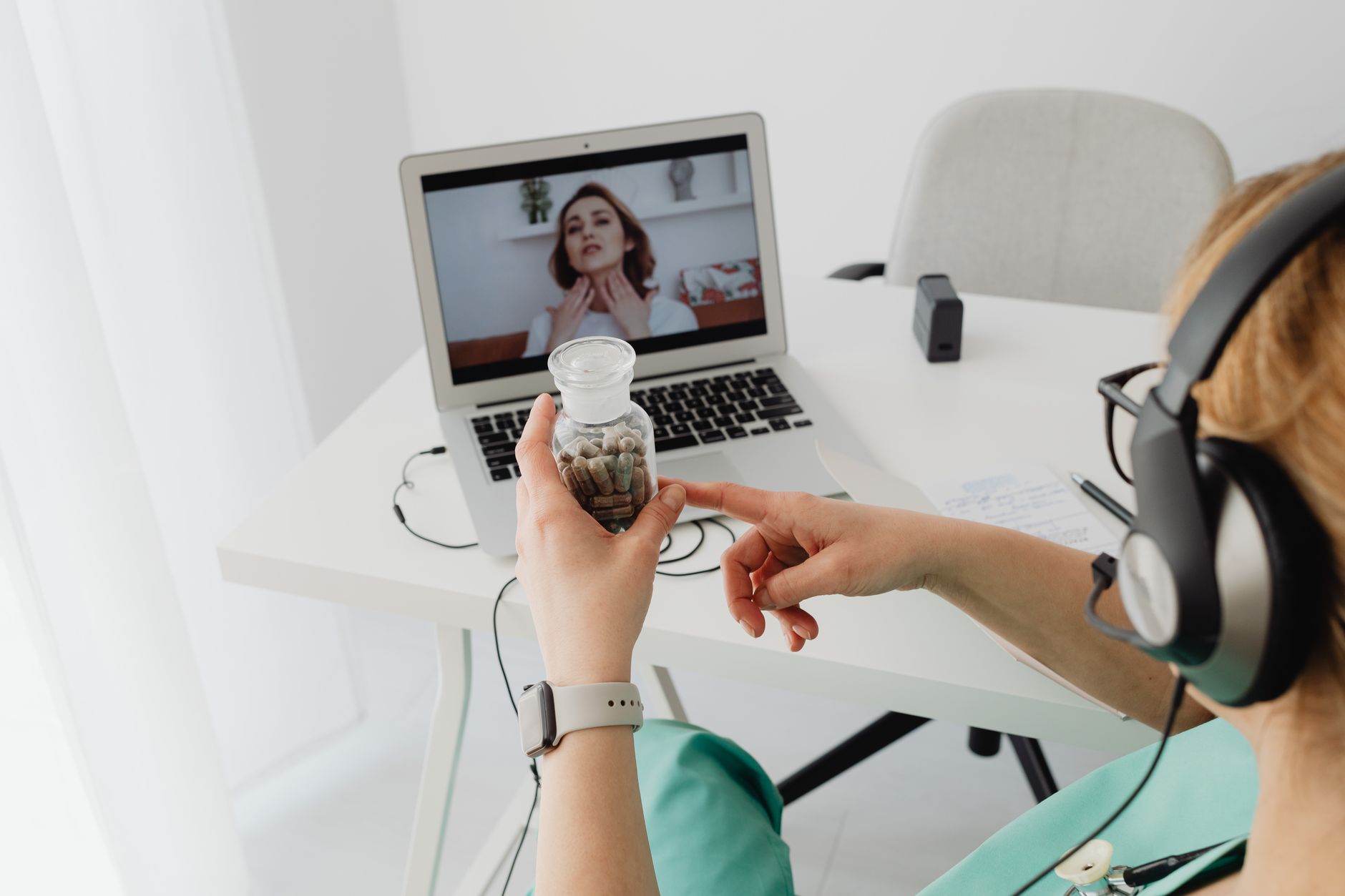
Apple Watch Is a Dense Health Sensor You Probably Underuse
Apple Watch measures more than most users are aware of. Beyond step count and workout tracking, it continuously measures heart rate, heart rate variability, blood oxygen saturation, respiratory rate during sleep, wrist skin temperature (Series 9 and later), and walking speed and stride. It conducts ECG readings on demand. The Health app stores all of this in a searchable archive, but the data is presented at a level of abstraction that leaves most of the signal unexplained.
Heart Rate and Its Variations
Apple Watch samples heart rate continuously throughout the day and derives several distinct metrics. Resting heart rate is calculated from periods of inactivity and averaged over the day — it is most useful as a weekly or monthly trend rather than a daily number. Walking heart rate is your average heart rate during low-effort walking, which is a sensitive indicator of cardiovascular fitness over time. Heart rate recovery — how quickly your heart rate drops in the first minute after intense exercise — is one of the strongest predictors of cardiovascular fitness available to consumers.


HRV on Apple Watch
Apple Watch measures HRV using SDNN — the standard deviation of beat-to-beat intervals — typically during sleep. This differs from the RMSSD metric that Oura and Whoop use, which means your Apple Watch HRV number will not match your Oura number even if both are accurate. Neither is wrong — they are measuring the same phenomenon using different calculations across different time windows. Trend direction is what matters, not cross-device comparison.
Blood Oxygen and Sleep Tracking
SpO2 readings on Apple Watch are intermittent background measurements — the watch takes readings throughout the night to screen for patterns, not to provide clinical-grade continuous monitoring. Values consistently below 94% during sleep are worth noting and discussing with a clinician. Sleep tracking on Apple Watch reports sleep stages (Core, Deep, REM) alongside total duration. The accuracy of stage classification improves significantly on newer Apple Watch models.
ECG and Irregular Rhythm Notifications
The ECG app on Apple Watch produces a single-lead electrocardiogram that can detect atrial fibrillation patterns. It is not a substitute for a clinical ECG. Its value is as a screen — catching irregular rhythms in people who have no other reason to get tested.
Putting Apple Watch Data in Context
FreeHealth.ai imports your Apple Health data and presents your key metrics with plain-language explanations of what each measurement shows and how your trends compare to your own baseline over time. Connect your Apple Health account and start for free.