Title: CMP (Comprehensive Metabolic Panel) Explained Line by Line
Opener:Have you ever looked at your lab results and been confused by the medical jargon? You're not alone. Even if you understand what each term means, it can be hard to piece together how they all fit together in your overall health picture. That's where FreeHealth.ai comes in. Our AI-powered health-data interpreter decodes lab results, medical records, and wearable data (Apple Watch, Oura, Whoop, MyChart) into plain language with personalized recommendations. And today, we're breaking down the Comprehensive Metabolic Panel (CMP) line by line to demystify this common test.
Body:The CMP is a blood test that measures 14 key chemicals in your body, including glucose, electrolytes, and kidney function. Here's what each line of the CMP report means:
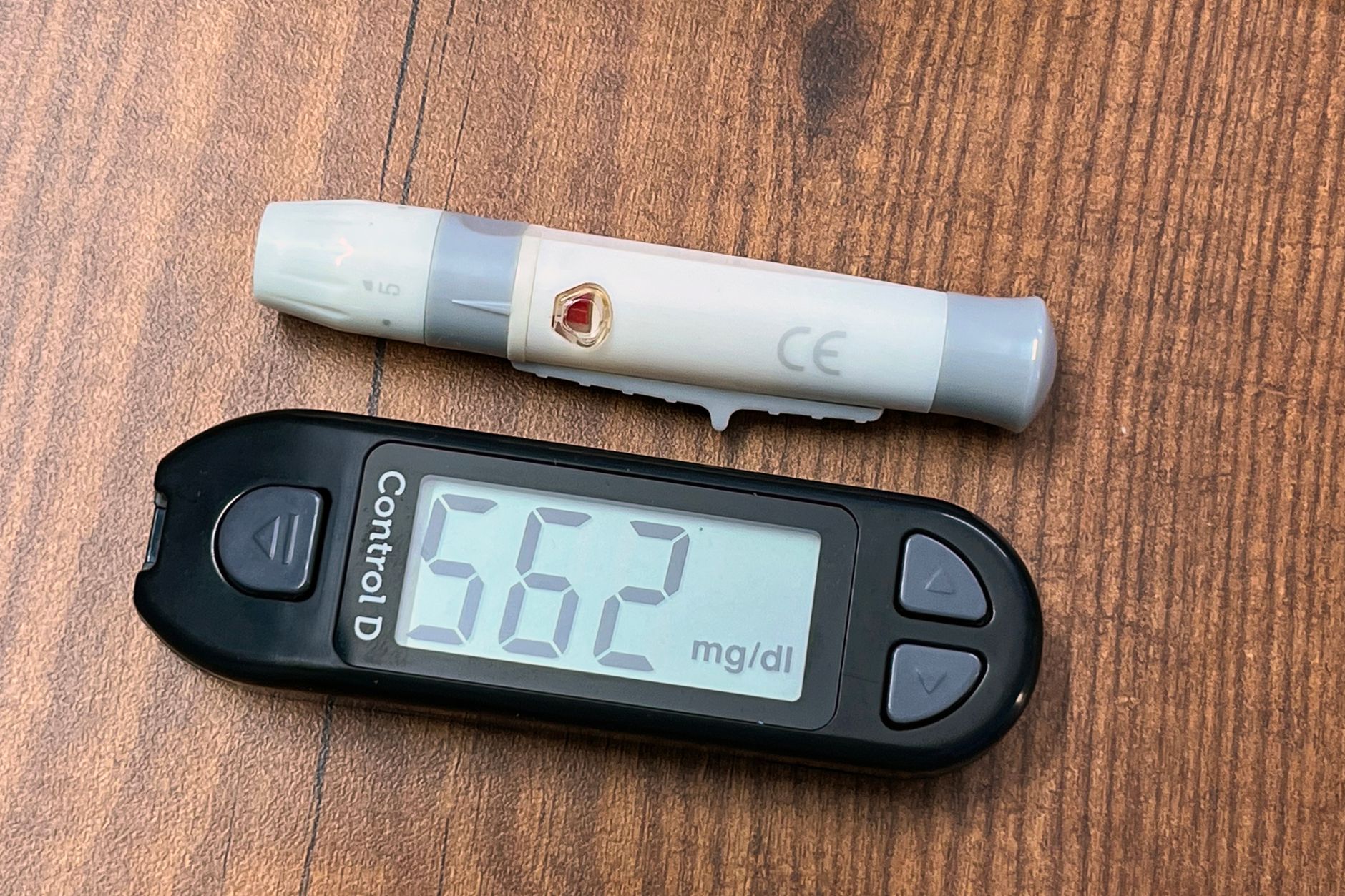
Glucose: This measures the amount of sugar (glucose) in your blood. High levels can indicate diabetes or prediabetes, while low levels may signal hypoglycemia.
Calcium: This measures the amount of calcium in your blood. Too much or too little can cause health problems, such as osteoporosis or kidney stones.
Sodium: This measures the amount of sodium (salt) in your blood. High levels can indicate dehydration, while low levels may signal hyponatremia.
Potassium: This measures the amount of potassium in your blood. High levels can indicate kidney problems or adrenal gland disorders, while low levels may signal hypokalemia.
Chloride: This measures the amount of chloride in your blood. High levels can indicate an imbalance in your body's acid-base balance, while low levels may signal hyponatremia.
Carbon dioxide (CO2): This measures the amount of carbon dioxide in your blood. High levels can indicate respiratory problems or metabolic acidosis, while low levels may signal respiratory alkalosis.
Bicarbonate: This measures the amount of bicarbonate in your blood. High levels can indicate metabolic alkalosis, while low levels may signal metabolic acidosis.
Blood urea nitrogen (BUN): This measures the amount of urea nitrogen in your blood. High levels can indicate kidney problems or dehydration, while low levels may signal liver problems.
Creatinine: This measures the amount of creatinine in your blood. High levels can indicate kidney problems, while low levels may signal muscle wasting.
Uric acid: This measures the amount of uric acid in your blood. High levels can indicate gout or kidney problems, while low levels may signal liver problems.
Total protein: This measures the total amount of protein in your blood. High levels can indicate liver problems or dehydration, while low levels may signal malnutrition or kidney problems.
Albumin: This measures the amount of albumin in your blood. High levels can indicate liver problems or dehydration, while low levels may signal kidney problems or malnutrition.
Alkaline phosphatase (ALP): This measures the amount of alkaline phosphatase in your blood. High levels can indicate liver or bone problems, while low levels may signal liver problems.