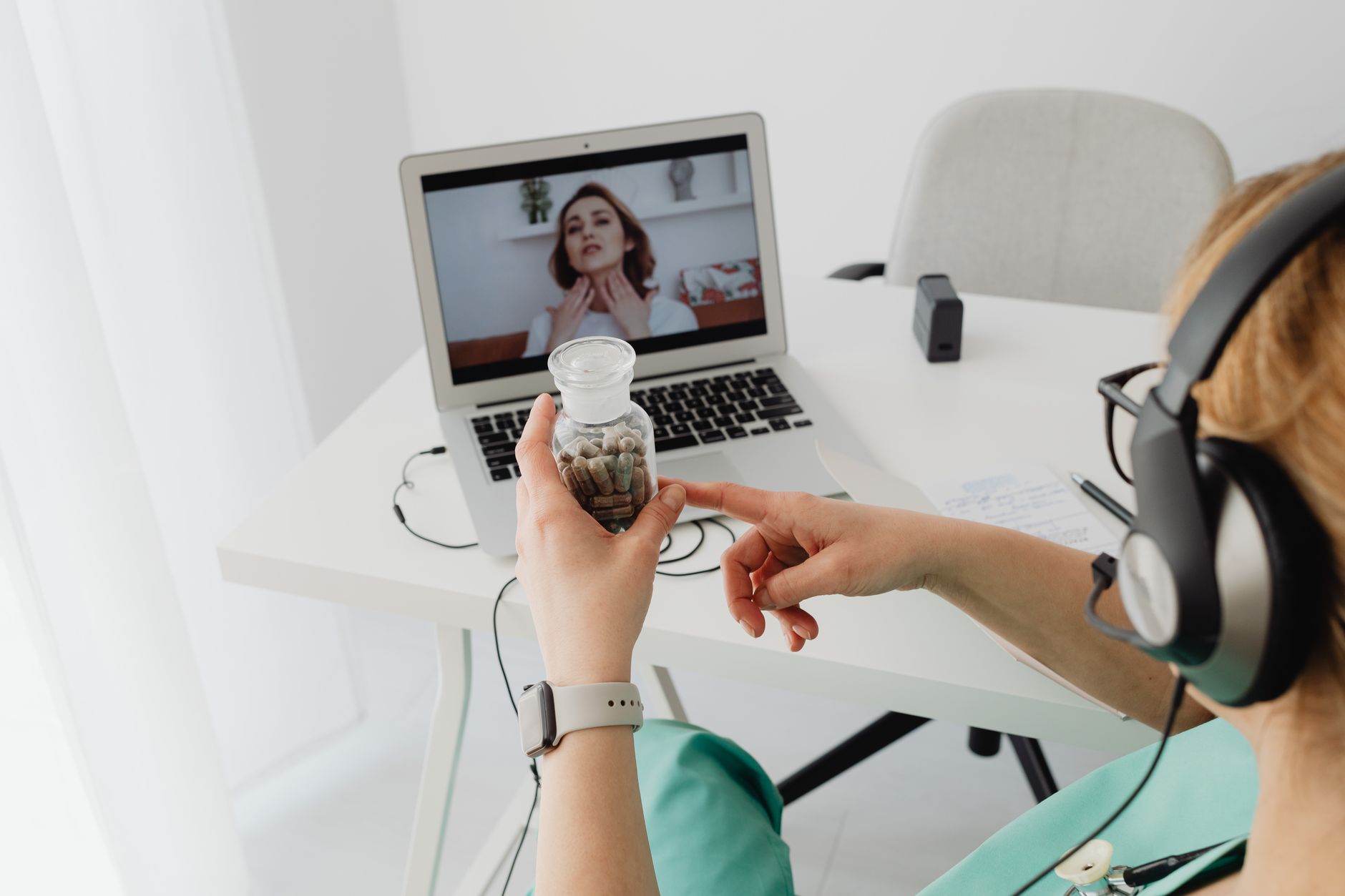
Most appointments run 15 to 20 minutes. If you walk in already knowing what your numbers say, you spend that time on decisions instead of catching up. Your lab results, your MyChart history, and the data on your Apple Watch or Oura ring are all available to you before you ever sit down.
This is a practical walkthrough for organizing what you already have so the visit moves faster and you leave with clearer answers.

Pull your records a few days early
Patient portals like MyChart, Labcorp, and Quest all let you download results and visit notes. Under the federal information blocking rules from the Office of the National Coordinator, your test results are released to you, often the same day they post. Give yourself a few days to read them without the pressure of the exam room.
- Download your most recent lab panels as a PDF so you have the reference ranges next to each value.
- Open the visit summary from your last appointment and reread what was discussed.
- Export the trend view if your portal offers one. A single cholesterol number means less than three readings over two years.
FreeHealth.ai reads these files and turns the values into plain language, so you arrive understanding what changed rather than guessing.
Build a short timeline of what changed
Clinicians think in terms of onset, duration, and pattern. A timeline answers their first questions before they ask them.
What to include
- When a symptom started and whether it is getting better, worse, or holding steady.
- Any new medications or supplements, with doses.
- Readings from your wearable that line up with how you felt, such as a stretch of poor sleep or an elevated resting heart rate.
You do not need to interpret the cause. You are giving an accurate record so the conversation starts from facts.
Turn your wearable data into one or two clean summaries
Raw graphs from a fitness tracker rarely help in a short visit. A summary does. If your resting heart rate climbed from the mid 50s to the mid 60s over a month, that is a sentence worth saying out loud. If your heart rate variability dropped during a stressful stretch, note the window rather than the daily noise.
Wearables measure trends well and absolute medical thresholds poorly. Bring the direction of travel, not a self-diagnosis.
Write down three questions and rank them
When time is short, the first question gets the most attention. Decide in advance which one matters most.
- Lead with the question that would change what you do next, such as whether a borderline result needs a recheck.
- Keep a second tier for things you are curious about but can follow up on by message.
- Ask what a result means for you specifically, not just whether it is normal. A value at the edge of the range can mean different things depending on your history.
Know which numbers you actually understand
It is easier to have a real conversation when the jargon is already decoded. A few worth knowing before you go:
- A1c reflects your average blood sugar over roughly three months.
- eGFR estimates how well your kidneys filter.
- LDL is the cholesterol fraction most tied to long term cardiovascular risk.
You do not need to memorize ranges. You need enough footing to ask a good follow up question when a number looks off.
After the visit, close the loop
Write down what was decided while it is fresh, including any recheck dates. If a result is supposed to improve, note the target and when you will measure again. Your portal will hold the new numbers, and you can compare them to today.
Sources
- Office of the National Coordinator for Health IT, information blocking and patient access rules
- MedlinePlus, U.S. National Library of Medicine, understanding lab tests
- Centers for Disease Control and Prevention, working with your health care team
- American Heart Association, cholesterol and cardiovascular risk guidance